
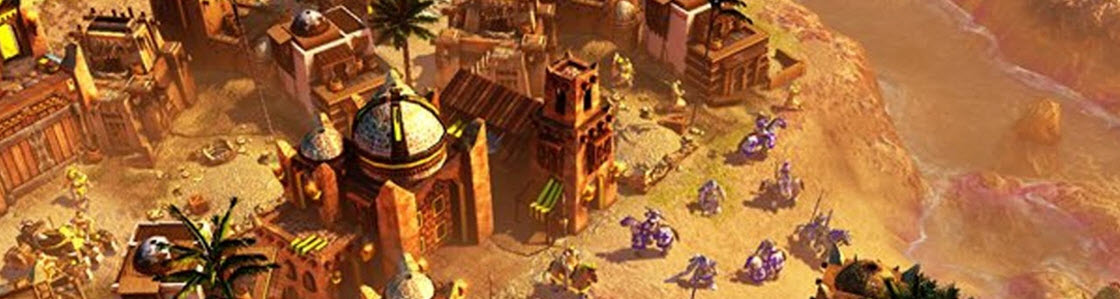
Introduction to the “Hotspots” Mechanic in Gaming
The incorporation of “Hotspots” in video games has markedly transformed the way players interact with and experience these virtual environments. This mechanic, which focuses on specific in-game locales or moments, offers players unique opportunities, challenges, or rewards. As a result, game developers can more effectively channel player attention and shape their in-game behaviors, creating dynamic and engaging experiences.
Enhancing Player Engagement
Hotspots are pivotal in boosting player engagement by creating dynamic points of interest within the game’s universe. These locations promise valuable resources, rare items, and special events, enticing players to remain active and encouraging them to explore and make unexpected discoveries. Many games successfully employ hotspots to keep the player base actively involved; “Fortnite” and “Pokemon Go” are prominent examples. These games maintain a high level of community engagement by frequently changing the location or nature of hotspots, thus ensuring that players continually encounter fresh content.
In “Fortnite”, hotspots often appear as locations on the game map that possess superior loot compared to their surroundings. Such configurations create an added layer of competition, as multiple players are drawn to these locations in hopes of gaining an advantage. By regularly altering these locations and their contents, “Fortnite” keeps its gameplay dynamic and ensures that no two matches are the same, continually challenging players to adapt their strategies.
Similarly, “Pokemon Go” uses hotspots, often tied to real-world locations, to offer players special encounters with rare Pokémon or unique events. These hotspots are frequently rotated and updated, motivating players to explore their surroundings and engage in community collaboration.
Driving Player Interaction
Strategic placement of hotspots can significantly enhance player interaction and collaboration. In multiplayer setups, these areas often serve as communal hubs where players converge to meet, trade, or collaborate. The interaction may manifest as competition or cooperation, depending on the overarching goals of the game. Massive multiplayer online games (MMOs) often exemplify this, as hotspots can become arenas for large-scale battles or robust alliances, with players striving for dominance over scarce in-game resources.
In the realm of multiplayer gaming, hotspots frequently act as catalysts for dynamic player interactions. In some scenarios, these areas might offer rich resources or critical objectives necessary for progressing within the game, prompting players to unite or compete in pursuit of these benefits. For instance, in certain games, holding control of a hotspot might confer an ongoing advantage or a special ability, spurring entire communities of players to strategize over its possession.
Incentivizing Exploration
The lure of discovering new hotspots is one of the principal ways games encourage exploration. Players are driven to venture into unfamiliar terrains or revisit previously explored areas with fresh curiosity. This aspect maintains gameplay excitement as players uncover unique elements tied to different geographical sections within the game world.
Exploration is a significant driver of player behavior, particularly in expansive game worlds where hotspots serve as hidden gems waiting to be discovered. Notable is the example of “The Elder Scrolls V: Skyrim”, where the game world is replete with enticing locations that offer a wide array of rewards or experiences. Players who embark on journeys through Skyrim’s vast landscapes often find themselves richly rewarded, not just with in-game items, but with an enhanced sense of immersion and satisfaction from their explorations.
Moreover, hotspots encourage players to stray from predetermined paths or quest lines, leading them to inadvertently discover narrative elements or historical lore embedded within the game. These discoveries can significantly deepen a player’s understanding of the game world and its backstory, further immersing them in the experience.
Game Balance and Player Experience
When integrating hotspots within a game, achieving a balance is critical to ensure a positive player experience. Overpowering hotspots can disbalance gameplay, rendering particular strategies or areas less effective. On the other hand, if hotspots are too rare or offer minimal rewards, they may fail to spark players’ interest, reducing their efficacy as engagement tools.
Essential to the successful incorporation of hotspots is acknowledging their potential impact on game balance and player experience. Developers must carefully calibrate the frequency, location, and utility of these hotspots to prevent them from overshadowing other critical game elements. By ensuring that hotspots provide compelling yet balanced incentives, developers can preserve the game’s overarching challenge and enjoyment.
In large, competitive games with vast player bases, ensuring that hotspots do not disproportionately favor certain players is essential. Developers might employ techniques such as randomization or dynamic adjustment of hotspot characteristics to maintain balance and fairness across the player spectrum.
In conclusion, the development and use of the “Hotspots” mechanic have ushered in significant improvements in player engagement, exploration, and interaction within gaming ecosystems. This mechanic not only influences the way players navigate and interact with game worlds but also shapes the strategic fabric underpinning these experiences. As such, it stands as a fundamental implementing tool for game developers seeking to create robust and immersive player experiences. For additional detailed analysis on game mechanics and their implications, it is advisable to consult industry resources.
This article was last updated on: February 16, 2026

Recent Comments