Uncategorized

The impact of the “Hotspots” mechanic in the game.

The Introduction of Hotspots

The introduction of the “Hotspots” mechanic in various games has significantly altered gameplay dynamics by providing challenges and opportunities for players. This feature was designed to inject unpredictability and excitement. It does so by designating specific areas on a game map as zones of heightened activity, interest, or reward. Understanding the operational aspects of hotspots is crucial for players who seek to maximize the benefits that these features offer.

Design and Functionality

Hotspots are typically programmed to function as areas where specific events are triggered or where valuable resources can be found. In many games, these areas spawn rare items, offer strategic advantages, or become centers of intense player activity. This design element encourages players to congregate in these areas, which often leads to player encounters and potential conflicts.

The implementation of hotspots varies from one game to another. In some titles, hotspots are dynamic, changing locations periodically to keep the environment fresh and engaging. In others, they are fixed, which allows for more consistent strategic planning. The dynamic nature of some hotspots promotes exploration, thus preventing gameplay from becoming stagnant and predictable.

Impact on Player Behavior

The introduction of the hotspots mechanic has a profound impact on player behavior across multiple levels. By creating focal points on the map, hotspots often draw players from different areas to a single location. This convergence increases the chances of player interactions, whether these interactions are cooperative, competitive, or somewhere in between. As a result, hotspots can significantly alter the pacing and rhythm of the game, drawing players into more frequent engagements.

Furthermore, the lure of rewards or strategic benefits at hotspots can encourage risk-taking. Players must evaluate the potential rewards against the possibility of encountering adversaries. This risk-reward balance is a crucial aspect of many games, and hotspots heighten this dynamic by making the stakes apparent and immediate.

Strategic Considerations

When engaging with hotspots, players must consider a variety of strategic factors. Timing is paramount; arriving at a hotspot too early might result in facing stronger opponents, while arriving too late might mean missing out on the rewards altogether. Additionally, players are required to make tactical decisions on how to approach these areas—whether they approach stealthily to avoid conflict or aggressively in search of rewards.

Games that feature dynamic hotspots compel players to be adaptable, as they must continually reassess and modify their strategies. This adaptability is a double-edged sword; while it encourages players to be versatile, it can also complicate long-term planning and strategy formulation.

Community and Social Aspects

Hotspots extend their influence beyond individual gameplay by contributing significantly to community building and social interaction within games. As well-established focal points, they often become topics of discussion within gaming communities. Players exchange experiences and strategies pertaining to these zones on various forums and discussion platforms. This shared engagement helps foster community ties and enriches the overall gaming experience.

In multiplayer settings, hotspots can act as impromptu meeting points, facilitating teamwork and collective objectives. They offer common goals or challenges that can spur both competition and cooperation among players in the community.

Broader Implications

As developers continue to explore hotspots’ potential across different gaming genres, this mechanic evolves, influencing not only gameplay and player strategies but also fostering community dynamics. From the creation of more balanced multiplayer experiences to offering new strategic layers in single-player modes, the broader implications of hotspots are substantial. This evolution reflects in the ways these games invite players to adapt to new challenges and interact with fellow gamers.

Examples in Popular Games

Numerous popular games have successfully integrated the hotspots mechanic to enhance their gameplay. In battle royale games, for example, hotspots often spawn high-tier loot, incentivizing players to engage in these risk-laden areas. This mechanic ensures a faster-paced, more engaging early game, as players converge, battle, and vie for advantageous position and equipment early on.

In survival-based games, hotspots might involve resource-rich zones that provide much-needed materials for crafting and survival. These areas attract players not just for resources but also create an environment where collaboration might be necessary to fend off common threats or competitors.

Future Prospects

Looking forward, as gaming technology continues to advance, the implementation of hotspots could become even more sophisticated. For example, augmented reality could transform real-world locations into virtual hotspots, blending digital and physical gaming experiences. Innovations like machine learning may lead to smarter, dynamically adjusting hotspots that respond to player skill levels, ensuring continually balanced gameplay experiences.

Such advancements hold the potential to make games even more engaging, challenging, and rewarding. Players may find themselves navigating increasingly dynamic and interactive environments where the lines between in-game and real-world experiences blur.

Conclusion

In conclusion, the “Hotspots” mechanic is a compelling addition to many modern games, offering players dynamic challenges and altering traditional gameplay patterns. By understanding its impact on player behavior, strategic execution, and community interactions, players can more effectively navigate these zones and leverage the advantages they offer. As the development of this mechanic evolves, so too will the ways in which players engage with it, continuing to redefine gaming experiences across a wide array of genres.
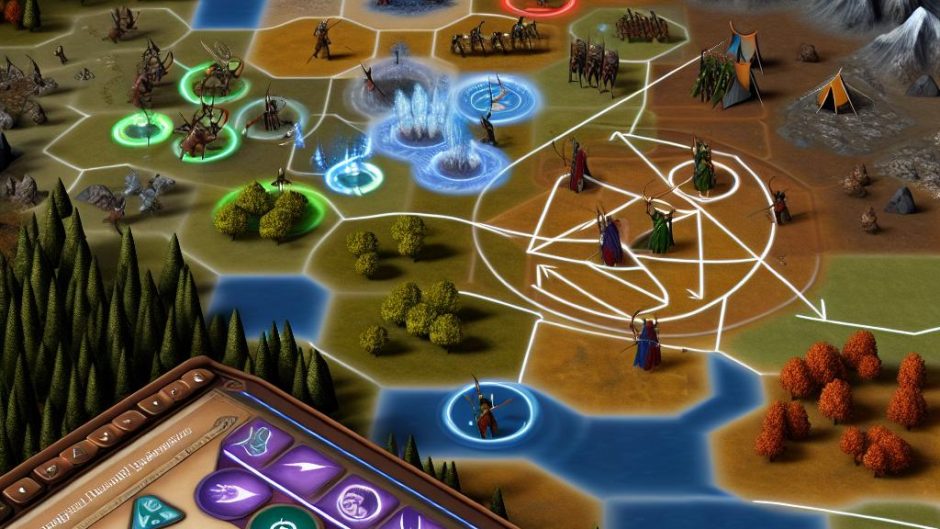
The impact of the “Hotspots” mechanic in the game.

In the realm of gaming, mechanics can significantly influence player engagement and overall experience. One such feature gaining traction is the “Hotspots” mechanic. This concept revolves around specific areas within a game where unique, often rewarding, interactions occur. The impact of this mechanic stretches across various dimensions of gameplay and player behavior.

The “Hotspots” Mechanic in Gaming

In the contemporary world of gaming, various mechanics actively shape the way a player experiences a game. Among these, the “Hotspots” mechanic has emerged as a pivotal innovation. It plays a crucial role in enhancing player engagement, altering gameplay mechanics, and influencing player behavior. This concept relies on creating strategically placed areas within a game that serve as hubs of activity, reward, and exploration. This not only alters the fabric of gaming experience but also enriches it by adding layers of excitement and engagement.

Enhancing Player Engagement

Hotspots are meticulously crafted to capture a player’s attention and beckon them into the mysterious corners of the game. These strategic areas prod players to explore the game world with renewed vigor. As a result, game developers can orchestrate a dance between curiosity and exploration, ensuring higher levels of player engagement. Players, in turn, interact more richly and meaningfully with various facets of the game.

Moreover, hotspots serve as subtle beacons, guiding players along paths that might be overlooked if they followed a linear trajectory. Through this design, developers gently shepherd players toward uncharted territories within the game. This allows the narrative to unfold in novel ways and encourages a deeper understanding of the game world.

Impact on Gameplay Mechanics

The integration of hotspots can revolutionize how gameplay unfolds. These areas can house singular challenges, quests, or rewards, adding a flavor of unpredictability and intrigue to the gaming experience. Consider, for instance, a hotspot that offers an exceptionally rare item or a fierce enemy whose defeat promises significant rewards. Such features invigorate gameplay, transforming routine actions into memorable adventures.

Additionally, the presence of hotspots amplifies replayability. Players often return to these zones, driven by the anticipation of encountering diverse experiences. This boosts the game’s lifespan, ensuring it remains engaging over time. A cleverly designed hotspot energizes what might otherwise be a conventional gameplay moment, endowing it with unforgettable qualities.

Influence on Player Behavior

Player behavior is fundamentally molded by the existence of hotspots. These focal points encourage players to gather, fostering a sense of community within multiplayer settings. This social connectivity fosters cooperative challenges or coaxes players into healthy competition for rewards. Thus, the presence of hotspots enhances the social dimension of gaming, enriching the overall experience.

Furthermore, hotspots add a strategic depth to gaming. They influence how players make decisions, as they weigh rewards against challenges associated with each hotspot. This strategic consideration grants a game greater complexity, transforming it into a multi-layered experience rather than a straightforward adventure.

Conclusion

In conclusion, the “Hotspots” mechanic redefines gaming paradigms. By increasing player engagement, introducing dynamic gameplay features, and influencing player behavior, hotspots create a richly woven tapestry of gaming experiences. As developers continue exploring this concept, the burgeoning potential for future game designs is unmistakable. For more insights into gaming mechanics, explore this game design resource.

Expanding upon the key elements of the hotspots mechanic, it becomes evident that this innovation significantly redefines gaming. By delving deeper into how exactly player engagement is enhanced, one can explore the nuances of this newfound attraction that hotspots bring to the table. Rather than the static allure of traditional gaming, hotspots create a dynamic pull. Players find themselves immersed deeply in the environment, driven to solve mysteries, uncover hidden narratives, and achieve rewards otherwise inaccessible through conventional play.

The manipulation of hotspots also hints at a new age of collaborative play. In multiplayer environments, the temptation of hotspots brings players together, either forming alliances or igniting rivalries. This interactivity forms a thriving community, where players exchange tips, narrate personal hotspots-driven experiences, and forge friendships, all while deeply integrated into the gaming atmosphere.

Notably, hotspots introduce an element of strategic thinking, frequently overlooked in more linear game styles. Players must contemplate which hotspots to prioritize. The decision-making process typically involves weighing potential risks against rewards, navigating the complexities of time investment against immediate satisfaction. This transforms gaming from a sequence of reactionary tactics to a chessboard of calculated moves, where anticipatory skills are invaluable.

Moreover, the conversation surrounding hotspots extends beyond their immediate impact. There is the potential for various applications of this concept in different genres and styles of gaming. Whether utilized in action-packed adventures, quiet explorative games, or intense multiplayer settings, hotspots possess the potential to innovate and invigorate game narratives across the board. The adaptability of this mechanic opens up possibilities for its application, limited only by the creativity of developers.

While the immediate effects of hotspots on gameplay are visible, their broader implications signify a shift in how games are conceptualized and experienced. As the gaming industry evolves, so too will the design philosophies behind hotspots. Understanding their potential and limitations is crucial for stakeholders within the gaming world hoping to capitalize on this mechanic’s allure.

Ultimately, as the gaming landscape advances, the inclusion of hotspots will likely become a staple of game design. Since they offer a solution to the challenges of player engagement, replayability, and community building, hotspots are well-positioned to serve as a key tool for developers. One only has to look toward the future to see how this mechanic will influence and redefine gaming narratives for years to come.

How to maximize the use of special abilities in battles.

How to maximize the use of special abilities in battles.

Understanding Special Abilities

Special abilities stand as vital components in the realm of gaming, offering players unique advantages and the power to sway the outcomes of battles in their favor. To leverage these abilities effectively, one must attain a comprehensive understanding of their intricacies. This involves an exploration into the mechanics, such as knowing the cooldown periods, effects, and recognizing potential counters to these abilities. For those seeking in-depth insights, venturing into official game documentation or participating in fan forums through well-researched links can prove invaluable.

Timing Is Everything

When deploying special abilities, timing holds a critical place in the strategic arsenal. Utilizing an ability at the precise moment can decisively influence the course of a battle. Players should focus on observing opponent patterns and seize the opportune moment when adversaries are at their most vulnerable. This requires more than just quick reflexes; it demands patience and a profound sense of strategic anticipation, where the potential impact of each ability is weighed against the unfolding dynamics of the confrontation.

Know the Battlefield

An essential aspect of maximizing the efficacy of special abilities lies in a deep familiarity with the terrain. Certain abilities can have wide-ranging area effects and are significantly more potent if used wisely in narrow passages or expansive open areas. To gain mastery over the battlefield, players should make use of in-game maps or strategic guides frequently found on official community websites. These resources offer crucial insights into optimal positioning, allowing players to enhance the strategic deployment of their abilities in varying landscapes.

Resource Management

Incorporating the management of resources such as mana, energy, or stamina is crucial for the wise use of special abilities. Efficient resource allocation ensures that abilities are available at pivotal moments in battles. A strategic approach involves prioritizing the use of abilities that offer substantial benefits relative to their resource consumption. This management not only sustains the flow of combat but also ensures that players are never left wanting in critical situations, retaining the ability to unleash high-impact strategies.

Synergy with Team Composition

In scenarios involving team-based gameplay, the ability to coordinate one’s special abilities with team members becomes a potent factor in achieving victory. Understanding the synergies between various abilities allows for the creation of formidable combos that can overwhelm adversaries. Engaging with team guides and participating in strategy forums can provide players with valuable knowledge about executing effective ability combinations. This not only enhances individual performance but contributes significantly to the success of the team as a cohesive unit.

Adapting to Opponents

Flexibility and adaptability are key when devising strategies based on opponent behavior. Certain opponents are equipped with counters to specific abilities, making it imperative for players to remain adaptable. The focus should be on employing abilities that exploit the weaknesses of adversaries while adjusting tactics to evolving circumstances. This adaptability allows players to maintain a strategic edge over opponents, ensuring that engagements remain advantageous.

Practice and Experimentation

The path to mastering the effective use of special abilities is paved with practice and experimentation. Regular participation in battles enables players to refine their skills and synchronization in deploying abilities. Experimenting with various strategies allows players to gather insights from both victories and defeats. Over time, this continuous cycle of learning results in the enhanced capability to utilize abilities with precision and confidence, tailoring approaches to the nuances of each unique battle scenario.

Conclusion

The mastery of special abilities in gaming battles is a multifaceted endeavor, encompassing understanding the mechanics, perfecting timing, and maintaining adaptability. Through the application of well-honed strategies, players can make considerable strides in enhancing their battlefield prowess. Engaging with official game communities and delving into strategy resources ensures continuous improvement and keeps players abreast of the latest nuances in gameplay. By embracing these methodologies, one can transform their approach to special abilities into a powerful component of their overall gaming strategy, leading to sustained success across diverse gaming landscapes.

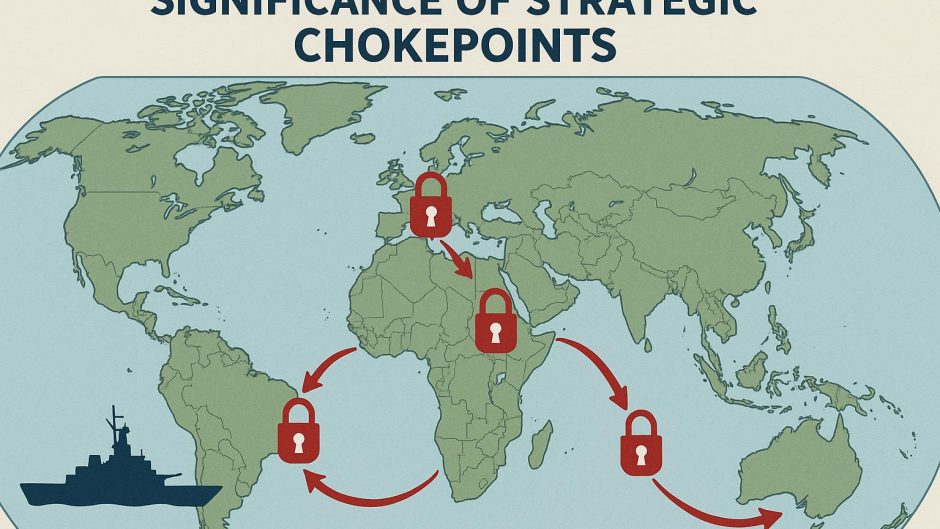
The significance of strategic chokepoints on the map.

The significance of strategic chokepoints on the map.

The Geopolitical Importance of Strategic Chokepoints

Strategic chokepoints on the world’s map are narrow passages that hold substantial geopolitical significance because they often serve as essential transit routes for global trade and naval movement. These chokepoints can dramatically influence the flow of goods, energy resources, and military forces, and therefore have significant implications for international security and economic stability.

Defining Strategic Chokepoints

A strategic chokepoint is typically a narrow strait, canal, or pass that connects two larger areas of navigable water. These natural or man-made channels are crucial for maritime transportation, serving as gateways that facilitate or restrict the flow of people and goods across regions. Some of the most notable global chokepoints include the Strait of Hormuz, the Suez Canal, and the Panama Canal.

Historical Context and Evolution

The significance of strategic chokepoints is deeply rooted in history. For centuries, control over these passages has been an influential factor in global dominance. Ancient civilizations, like the Romans and the Phoenicians, recognized the value of controlling key maritime routes to establish their empires. Throughout history, the expansion and contraction of empires often coincided with the ability to secure and dominate these vital passages.

As global trade expanded, so did the strategic significance of chokepoints. The development of man-made canals, such as the Suez and the Panama Canals, marked a turning point in maritime navigation, offering more efficient global trade routes. These developments were not just feats of engineering but were also major strategic milestones that have shaped global commerce and geopolitical relations ever since.

Economic Implications

The economic significance of these chokepoints cannot be overstated. Approximately 20% of the world’s petroleum passes through the Strait of Hormuz, linking the Persian Gulf with the Gulf of Oman and the Arabian Sea. The ability to control or defend such chokepoints can give nations substantial leverage over global oil supplies, impacting prices and availability internationally.

The Suez Canal and the Panama Canal demonstrate the value of time and cost savings in maritime shipping. These man-made waterways provide essential shortcuts that drastically reduce travel distances for commercial shipping routes. For instance, the Suez Canal reduces the maritime journey from Europe to South Asia by about 7,000 kilometers compared to the trip around the southern tip of Africa, while the Panama Canal connects the Atlantic and Pacific Oceans, saving about 13,000 kilometers on the route around Cape Horn.

Moreover, the economic ramifications of chokepoints extend beyond mere savings in time and distance. They have the potential to influence global market dynamics. For instance, disruptions in these areas can lead to spikes in shipping insurance premiums, increased maritime tariffs, and the need for rerouting traffic, all of which contribute to inflated costs for end consumers.

Military and Security Considerations

Beyond commerce, strategic chokepoints hold military importance. Control over these areas can enable or prevent naval fleets from entering or exiting critical regions during times of conflict. The ability to quickly move forces through these chokepoints or, conversely, to block rival powers from doing so, is a substantial military advantage.

For instance, the Bosphorus Strait in Turkey provides a critical passage for Russian naval operations between the Black Sea and Mediterranean. Similarly, the Strait of Malacca, a key maritime route between the Indian Ocean and the Pacific Ocean, is so vital that any disruption could have an impact beyond regional trade, affecting global commerce as well.

Strategic chokepoints also serve as points of military presence and surveillance. Nations positioned at or near these chokeholds often establish military outposts or conduct regular patrols, emphasizing their preventive and defensive capabilities. This military footprint can serve as a deterrent against potential aggression, thereby maintaining peace and stability within these crucial sectors.

Potential Vulnerabilities and Risks

While strategic chokepoints confer advantages, they also present vulnerabilities. The concentration of vast amounts of the world’s oil supply and other crucial goods in these narrow passages makes them potential targets for geopolitical tension and conflict. Blockades, piracy, or military skirmishes in or near these areas can disrupt global supply chains and lead to significant economic and security consequences.

The risks associated with chokepoints have led to tremendous investments in security measures. Anti-piracy operations, naval escorts, and cooperative multinational military exercises aim to minimize the threats posed by potential disruptions. Concurrently, the construction of pipelines bypassing maritime chokepoints and development of overland trade routes reflect strategic efforts to diversify transit options, thereby reducing reliance on these vulnerable water nodes.

Oil-producing nations and major energy consumers are particularly sensitive to the volatility stemming from chokepoint disruptions. Thus, bilateral and multilateral agreements often focus on ensuring the stability and security of these key passages, underscoring their importance in maintaining continuous global supply chains.

Future Perspectives and Challenges

As global trade continues to evolve, the future of strategic chokepoints remains subject to considerable challenges. The advent of climate change, for example, could open up new routes, particularly in the Arctic, potentially altering traditional maritime trade patterns. Technological advancements and infrastructural developments could also reshape existing usage and control of these essential waterways.

Furthermore, the geopolitical landscape continues to shift, with emerging economies asserting greater influence over international trade routes. This could lead to increased competition over controlling key chokepoints, potentially heightening tensions among powerful state actors. International organizations may need to step in more frequently as mediators to navigate the overlapping interests at these crucial junctures.

In conclusion, the strategic importance of chokepoints highlights their role in both facilitating global trade and representing critical flashpoints for international relations. Their influence on economic and military strategies emphasizes the need for continuous diplomatic and cooperative efforts to maintain their security and accessibility. Understanding these geopolitical linchpins is essential for comprehending broader global dynamics. The balance between leveraging the advantages while mitigating the risks associated with chokepoints will likely shape international relations and global commerce in foreseeable future epochs.

The impact of epoch transitions on gameplay strategy.

The impact of epoch transitions on gameplay strategy.

The Influence of Epoch Transitions on Gameplay Strategy

In various strategy-based games, the concept of epoch transitions plays a critical role in shaping how players approach the game. An epoch transition refers to a change or shift from one era or age to another within a game, often bringing significant advancements, new technologies, and strategic opportunities. Understanding the impact of these transitions can help players to adapt their gameplay strategies effectively.

Defining Epoch Transitions

Epoch transitions are common in games that simulate historical progressions, such as the Age of Empires series or Civilization. These transitions often involve moving from a primitive era to a more advanced one, enabling players to access new units, buildings, technologies, and abilities. The ability to effectively harness these advancements is essential for maintaining a competitive edge.

In practical terms, an epoch transition can alter the complexity of the game by introducing novel elements that players must integrate into their existing strategies. Players are not only required to adapt but to also have a futuristic approach regarding how they plan their actions within the current and successive epochs. These transitions necessitate a reconsideration of priorities as new elements become accessible, and players must explore the integration of these elements to build competitive strategies.

Strategic Implications

The arrival of a new epoch can alter the dynamics of a game significantly. To gain a deeper understanding, let us explore some strategic implications of epoch transitions:

Resource Management: Each epoch transition is typically accompanied by a shift in resource demands. As players move into a new era, they often encounter new unit types and advanced buildings that necessitate different resources. Consequently, players need to recalibrate their resource collection strategies to meet these new requirements. Effective resource management can dictate the pace at which a player can progress and remain competitive within the game.

Technological Advancements: Technological advancement is a cornerstone of epoch transitions that heavily influences gameplay strategies. Gaining access to new technologies creates an opportunity to redefine a player’s approach toward achieving objectives. Whether the strategy involves bolstering offensive capabilities, enhancing defenses or stimulating economic growth, prioritizing the right technology research is integral to success. Players must align their choice of technology with overarching strategies to create synergies that empower them in subsequent gameplay stages.

Military Strategy: The advent of a new epoch often heralds the introduction of more sophisticated military units. These new units can significantly shift the balance of power, compelling players to reassess and potentially redesign their military strategies. The strategic decision to either incorporate new military units into the existing composition or develop counters to opponents’ advances can be pivotal. As battlefield dynamics evolve, players are tasked with maintaining robust and flexible military strategies that can respond to new threats.

Economic Expansion: Advancing through epochs typically requires progressive economic strategies. The advent of new epochs calls for the construction of advanced economic structures, the establishment of expansive trade routes and efficient wealth management to support the increased demands of armies and rapid technological progression. A robust economic framework not only supports immediate strategic goals but also provides a foundation for continued superiority over time.

Adapting to Change

In the realm of strategy games, adapting to epoch transitions calls for both foresight and flexibility. Players must anticipate the array of changes ushered in by a new epoch and plan their strategies accordingly. To achieve success, players must find equilibrium between immediate needs and long-term ambitions. For example, while rapidly researching and advancing to a new epoch presents an attractive prospect, doing so without ensuring a stabilized economy and military readiness may prove detrimental.

The ability to adapt is especially critical in games where epoch transitions are sudden or unpredictable. Developing a flexible strategy empowers players to pivot in response to emerging opportunities or threats. A dynamic approach to strategy not only ensures continued competitiveness but also equips players to leverage transitional phases to their advantage.

Furthermore, adaptability can be cultivated through diverse gameplay experiences and consistent evaluation of strategies within the context of new epochs. Players who continuously evolve their understanding of game mechanics and who remain open to experimentation will likely excel in harnessing the full potential of epoch transitions.

Conclusion

Epoch transitions are a pivotal component in many strategy games, impacting the way players manage resources, develop technologies, and conduct military operations. By understanding and anticipating the changes that come with each new epoch, players can craft strategies that leverage new opportunities and mitigate potential risks. These transitions serve as a call to action for players to assess their standing within the game, identify possible advancements and align strategies with the evolving game environment.

For those seeking further insights on strategy games and their mechanics, exploring resources from gaming communities or expert analyses on gaming strategy websites can be invaluable. Engaging with a community of players provides an opportunity to exchange strategies, learn from others’ experiences and enhance one’s understanding of the complex dynamics that influence gameplay strategies across epoch transitions.

Note: The specific game mechanics and the availability of certain features can vary based on the rules and design of different games. Always consider the particularities of the game you are playing when devising strategies around epoch transitions. A nuanced approach that accounts for both game-specific mechanics and general strategic principles will serve players well in navigating the challenges and opportunities presented by epoch transitions.

How to handle resource shortages during gameplay.

How to handle resource shortages during gameplay.

Understanding Resource Shortages in Gameplay

In the complex worlds of video games, particularly those within the strategy and survival genres, the efficient management of resources is not only advantageous but often essential for achieving success. Resource shortages become significant hurdles that players need to overcome, requiring swift adaptation and strategic thinking to continue progressing through various levels and challenges in the game. Grasping the fundamental causes of these shortages and developing strategies to mitigate their impact can substantially enhance the gameplay experience by adding depth and intricacy to the gaming process.

Identifying the Causes of Resource Shortages

Understanding the reasons behind resource shortages is the first step toward managing them effectively. In many games, these shortages can occur due to a variety of factors. A frequently seen issue is the over-reliance on a single resource type. When players focus too much on acquiring and utilizing one type of resource, they run the risk of depleting it without having alternatives readily available, leading to critical shortages.

Furthermore, games often incorporate unexpected in-game events, which add a dynamic and unpredictable element to gameplay. These events may include sudden enemy attacks, dramatic changes in environmental conditions, or alterations in the availability of resources. Such events can temporarily upset the balance of resource management, making it crucial for players to anticipate possible disruptions and prepare accordingly.

Strategies for Managing Resources Efficiently

Effectively tackling resource shortages necessitates well-rounded management strategies that cater to the game’s specific mechanics. A central strategy is to prioritize resource usage. This means focusing on the collection and utilization of resources critical to the player’s immediate needs. By ensuring that these essential resources are collected and used first, players can safeguard their progression in the game, even if other resources become scarce.

Another important tactic is to diversify resource collection methods. Rather than relying on a single source, players should seek multiple ways to gather resources, exploring different in-game areas or technologies to maintain a more balanced resource pool. This approach not only hedges against the unpredictability of in-game events but also broadens the player’s options in managing supplies.

In addition, players need to optimize resource consumption. Minimizing wastage through efficient use of resources ensures that supplies last longer. This could include carefully planning how resources are used, ensuring that each unit provides maximum value. Investing in in-game upgrades or skills that promote better resource management can also be beneficial, as these often offer long-term benefits that help manage the impacts of resource gaps.

Coping with Sudden Resource Challenges

Despite meticulous planning, players may still face unexpected shortages due to the ever-evolving nature of many games. To effectively manage these sudden challenges, the ability to adapt strategies quickly is crucial. Such adaptation may involve revisiting gameplay tactics, reallocating resources to focus on more critical areas, or shifting efforts towards activities that will help recover resources.

Moreover, players can utilize alliances or trades offered within the game environment to supplement their resources. Forming alliances with other gamers or in-game factions can open opportunities for resource sharing, providing a buffer against individual shortages. Trading can be a particularly strategic move, allowing players to exchange surplus resources for those they lack.

Learning from Past Experiences

An often underappreciated aspect of managing resource shortages effectively lies in the reflection on past gameplay experiences. Analyzing previous strategies and outcomes provides players with a deeper understanding of what worked well and what did not. Such reflection enables players to modify and improve their strategies continually. By learning from past experiences, players can build more robust resource management tactics, leading to improved resilience against future shortages.

For those seeking further insights into strategic gameplay and efficient resource management, gaming forums or strategy guides can be valuable resources. These platforms often offer a wealth of information, including tips, detailed guides, and discussions among players who share their experiences and strategies. Engaging with such content can significantly enhance a player’s ability to manage resources effectively within gaming environments.

How to counter specific unit types in Empire Earth III.

How to counter specific unit types in Empire Earth III.

Understanding Unit Types in Empire Earth III

Empire Earth III is a well-regarded real-time strategy game that immerses players in the challenges of building and expanding empires through strategic warfare. A cornerstone of success in this game lies in the comprehensive understanding of various unit types and how they interact with one another. Each unit type has distinct strengths and weaknesses, and mastering this knowledge is pivotal to effectively crafting your strategy. This nuanced understanding will enable players to make informed decisions while selecting their forces and responding to opponents’ tactics.

Infantry Units

The oft-heralded infantry units are quintessential to any army within Empire Earth III, offering versatility and forming a formidable backbone across various strategic scenarios. Infantry excels in direct engagements, particularly against cavalry units, leveraging their versatility on the battlefield. However, it must be noted that infantry units are inherently vulnerable to siege units and artillery, necessitating careful positioning and strategic engagement to optimize their utility.

To mitigate this vulnerability and effectively counter opposing infantry forces, consider employing ranged units. Units such as archers or artillery are ideal for maintaining a safe distance while inflicting damage. Archers can pick off enemy infantry units before they close the gap, and artillery units are highly effective in dealing significant damage en masse. Managing the dynamics between these unit types allows for a robust and agile infantry strategy.

Cavalry Units

Cavalry units bring speed and power to the battlefield, excelling in open-field engagements and flanking maneuvers. Their mobility and strength make them particularly effective against ranged units, with the ability to quickly overrun these types of opponents. However, despite their speed and power, cavalry units face notable vulnerabilities, especially when confronted with specific counter-units.

One of the most effective counters to cavalry units are spearmen and other anti-cavalry infantry. Their disciplined ranks and specialized training make them adept at intercepting and neutralizing cavalry charges. Positioning these units strategically can blunt the impact of a cavalry surge, creating opportunities to disrupt and dismantle enemy offensive efforts. Understanding cavalry movements and how to address these using spearmen is a fundamental part of strategic planning.

Ranged Units

Ranged units, a category encompassing everything from skilled archers to adept slingers, offer the tactical advantage of long-distance engagement. These units excel at striking enemies from afar, exploiting lower mobility and attention from opposing forces. However, their reduced resilience makes them vulnerable to fast-moving threats:

To efficiently counteract ranged units, deploy agile cavalry units. Their superior speed enables them to close distances rapidly, engaging archers and slingers before sustaining considerable damage. The swiftness of cavalry can be leveraged to disrupt and neutralize ranged threats, creating opportunities for your forces to press forward and maintain dominance on the battlefield.

Siege Units

Siege units play a pivotal role in Empire Earth III as essential tools for demolishing enemy structures and fortifications. Units such as battering rams and catapults have the destructive capability necessary for breaking through defenses. However, when exposed to direct combat, these units exhibit significant vulnerabilities:

To safeguard against the threat posed by siege units, utilize nimble infantry or quick-moving cavalry. Such units can swiftly engage siege equipment, minimizing structural harm before it is inflicted. Targeting and eliminating siege units proactively is a critical strategy to protect your infrastructure and maintain a tactical advantage in prolonged engagements.

Artillery Units

Long-range artillery units provide commanding battlefield support, capable of severe devastation, especially against densely packed enemies. Despite their impressive reach and firepower, artillery units often face challenges in mobility and durability, requiring mindful deployment to maximize their effectiveness:

To counter artillery efficiently, deploy stealth units or mobile direct-attack units. These units can close the gap undetected or rapidly flank artillery to neutralize them. Acting swiftly is critical, ideally before artillery units can reinforce their positions. Observation and quick response are the cornerstones of a successful strategy against artillery threats, allowing for significant disruption of hostile plans.

Special Considerations

One of the greatest strategic tenets in Empire Earth III is adaptability. Each battle demands a keen assessment of your opponent’s composition, leading to a requisite balancing of your forces to counteract a variety of unit types effectively. The game encourages dynamic response and evolving strategies to keep opponents off-balance.

Achieving this requires combining tactical insights gleaned from gameplay experience with external resources, such as online forums and guides. Engaging with dedicated gaming communities, including platforms like the Empire Earth III Forums, can offer invaluable player insights and tactical advice.

Understanding each unit type’s distinctive advantages and limitations provides a solid foundation for dynamic strategy adaptation and success in Empire Earth III. As players refine their awareness and anticipatory tactics, they can align their formations and maneuvers with strategic objectives, navigating the evolving battlefield landscape with confidence and precision.

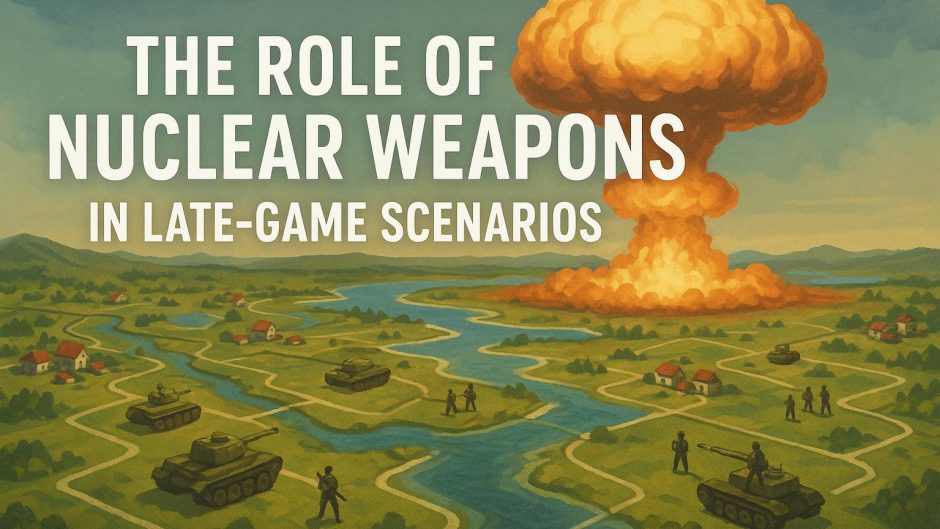
The role of nuclear weapons in late-game scenarios.

The role of nuclear weapons in late-game scenarios.

The Strategic Context of Late-Game Scenarios

In the realm of international relations and strategic studies, the concept of *late-game scenarios* emerges when situations of significant geopolitical tension or conflict arise. These scenarios require careful decision-making, as the results can have profound consequences on a global scale. One of the key elements in these situations is the role of nuclear weapons, given their potential for massive destruction and strategic deterrence capabilities. A comprehensive understanding of their role involves examining historical precedents, current strategic doctrines, and the numerous challenges they pose to global peace.

The Historical Precedent

Looking at the past, nuclear weapons have historically been utilized as a tool for guaranteeing national security and exerting geopolitical leverage. After World War II, the world witnessed the birth of a nuclear arms race, predominantly between the United States and the Soviet Union. This era, better known as the Cold War, underscored the doctrine of *Mutual Assured Destruction* (MAD). MAD proposed that any use of nuclear weapons by two opposing sides would result in their mutual obliteration, thereby acting as a powerful deterrent against the use of such weapons.

Deterrence and Stability

Nuclear weapons have served primarily as a deterrent. They represent a profound threat of unacceptable levels of retaliation against any adversary, thus discouraging any initial attack. In late-game scenarios, the existence of a nuclear arsenal can work towards stabilizing tensions and persuading opposing parties to explore diplomatic avenues instead of pursuing conflict. However, this perceived stability can be misleading, as it is a double-edged sword. The strategy depends heavily on the presence of rational actors and efficient communication channels to prevent any miscalculations that could lead to escalation.

Current Strategic Doctrines

In today’s geopolitical landscape, several nations maintain nuclear arsenals, each under different strategic doctrines. For instance, the United States adheres to a strategy of *triad deterrence*. This approach integrates three key components: land-based missiles, submarine-launched missiles, and strategic bombers. The design of this triad ensures a second-strike capability, which is critical for maintaining the deterrence needed in late-game scenarios. For further exploration of U.S. defense strategies, interested parties might find insightful information on platforms like Defense.gov.

Contrastingly, countries such as India have adopted a *no first use* policy. This policy pledges that they will employ nuclear weapons only in retaliation and not initiate a nuclear strike. The no first use doctrine aims at decreasing the risks of conflict escalation by maintaining a credible deterrent without resorting to aggressive posturing.

Challenges and Risks

The strategic use of nuclear weapons in late-game scenarios is riddled with complex challenges and substantial risks. One of the primary concerns is the possibility of *escalation miscalculation*. When nuclear-armed states make certain strategic moves, they may inadvertently provoke conflict rather than deter it. Additionally, the proliferation of nuclear technology enhances the risk of nuclear weapons being acquired by non-state actors or rogue states. This factor further intricately complicates the global security landscape.

In conclusion, while nuclear weapons often appear to function as stabilizers in late-game scenarios, their presence also introduces inherent risks that necessitate meticulous management. To mitigate these risks, effective diplomatic engagements are vital. This involves establishing robust communication channels and implementing confidence-building measures. Only through such diplomatic frameworks can the international community hope to maintain global peace in the context of these high-stake scenarios.

The Evolution of Nuclear Strategy

The strategies surrounding nuclear weapons have evolved remarkably since the advent of nuclear arms. Initially, the focus was on building a deterrent capability to prevent any potential aggressor from initiating conflict. As time progressed, the doctrines supporting these strategies became more nuanced, incorporating a broader variety of contingencies and potential responses.

From Massive Retaliation to Flexible Response

In the early days of the nuclear age, the strategy of *massive retaliation* held sway. This approach was based on the idea that any attack, particularly a nuclear one, would be met with a disproportionate and overwhelming response. The aim was to deter aggression by threatening a devastating return strike. However, the strategy had significant drawbacks, chiefly its lack of flexibility in addressing less-than-total war scenarios.

As a consequence, strategic doctrines shifted towards a *flexible response*. Under this approach, a variety of military options became available in the event of a conflict. This strategy allowed for more calibrated responses to different levels of threat, thereby reducing the likelihood of an escalatory cycle leading directly to nuclear war. The principle of flexible response enabled countries to prepare for a range of possibilities while maintaining a credible deterrent.

Modern-Day Considerations

Today, the focus of nuclear strategies involves more than just deterrence. Nations consider factors such as cyber threats, the role of missile defense systems, and the impact of new technological advancements. As a result, contemporary doctrines not only involve maintaining a nuclear arsenal but also integrate these elements into their broader strategic paradigm. For instance, advancements in missile defense technology may alter the calculus of deterrence, as they potentially increase the feasibility of intercepting and neutralizing incoming threats.

Furthermore, the intersection of cyber capabilities with nuclear strategy presents an intriguing dynamic. Cyber operations could potentially disable or disrupt command and control mechanisms, posing a new set of challenges for ensuring the security and reliability of nuclear deterrents. Countries now invest significantly in bolstering the cybersecurity infrastructure associated with their nuclear arsenals to mitigate these emerging threats.

The Role of International Agreements and Treaties

In the context of nuclear strategy, international agreements and treaties play a pivotal role. Treaties such as the Non-Proliferation Treaty (NPT) aim to curtail the spread of nuclear weapons, promote peaceful uses of nuclear energy, and further disarmament efforts. These agreements serve as frameworks for dialogue and cooperation, providing platforms for managing nuclear risks and reducing global arsenals.

The importance of such agreements cannot be understated. They form part of the architecture designed to prevent the unchecked proliferation of nuclear weapons and maintain global stability. However, challenges remain in ensuring compliance and addressing the concerns of countries that may feel disadvantaged by the existing treaty frameworks.

Future Directions

Looking ahead, the future of nuclear strategy will likely be influenced by a combination of technological advancements, geopolitical shifts, and evolving doctrines. As new powers emerge and existing ones adjust their strategies in response to changing global dynamics, the strategic context of late-game scenarios will continue to evolve.

One potential area of development is the incorporation of artificial intelligence (AI) in decision-making processes related to nuclear strategy. AI could be used to enhance decision-making speed and accuracy, though it also introduces new ethical and operational challenges. Ensuring that AI systems are reliable, transparent, and secure will be crucial in their integration into nuclear command and control architectures.

In summary, while nuclear weapons have historically provided a means of stabilizing late-game scenarios through deterrence, the landscape of nuclear strategy is continually evolving. Modern considerations, international agreements, and future technological advancements will all play critical roles in shaping the strategic context in which these powerful tools will be managed.

How to use spies and intelligence gathering.

How to use spies and intelligence gathering.

Understanding the Role of Spies in Intelligence Gathering

Spies have played a crucial role in intelligence gathering throughout history, providing insights that are often inaccessible through other means. Engaging in espionage necessitates a comprehensive understanding of both the methodologies used and the ethical considerations involved. In this article, we will delve deeper into essential facets of the art and science of utilizing spies in intelligence work.

The Fundamentals of Espionage

Espionage involves the collection of secret or confidential information without the explicit permission of the information’s possessor. Traditionally, governments primarily conducted these activities. However, with advancements in technology, the private sector is increasingly involved as well. The practice relies on agents or spies who infiltrate enemy ranks aiming to gather critical intelligence that can influence strategic decision-making.

Recruitment and Training of Spies

The recruitment of spies is a critical aspect of espionage. Spies are typically selected for their access to valuable information or their ability to integrate seamlessly into specific environments. This recruitment process often involves elements of persuasion, coercion, or alignment with the ideological values of the recruiting entity. Upon recruitment, an effective spy receives extensive training, acquiring essential skills in communication and surveillance. Additionally, modern espionage operations may require training in technical fields to adapt to the evolving landscape of intelligence work.

Psychological Preparation

Spies undergo not only physical and technical training but also psychological preparation. The ability to remain calm under pressure, maintain control in high-stakes situations, and effectively manipulate or negotiate is vital. This aspect of training ensures that spies can handle the diverse challenges they might encounter during their missions.

Technical Skills

In today’s technologically driven world, spies often need to possess technical skills. Understanding how to use sophisticated electronic devices, handle cybersecurity threats, and comprehend advanced surveillance technologies is integral. Such technical knowledge is vital for conducting operations without detection and for gathering digital information efficiently.

Methods of Intelligence Gathering

Understanding the methodologies involved in intelligence gathering through espionage is fundamental. Various methods are employed, each tailored to collect information effectively and discreetly.

Human Intelligence (HUMINT)

Human Intelligence, or HUMINT, is derived directly from human sources. It typically involves direct contact or clandestine meetings with informants. Spies obtain crucial data from individuals with access to sought-after information, often while operating under a fictitious identity to avoid detection and ensure the security of the operation.

Sourcing and Cultivation

Sourcing involves identifying individuals who may possess valuable information. This stage is followed by cultivation, where a relationship is developed to gain access to intelligence. The cultivation process can be lengthy, requiring patience and strategic interaction to secure trust and obtain the desired data.

Signals Intelligence (SIGINT)

Although not exclusively under the purview of traditional spies, Signals Intelligence (SIGINT) involves intercepting signals to gather information. Modern spies or intelligence agencies tap into telecommunications, monitor emails, and capture other forms of electronic communications to acquire needed data without being physically present.

Privacy Concerns

With SIGINT potentially involving private communications, such activities often raise privacy concerns. It is crucial for intelligence agencies to operate within legal boundaries, ensuring that their pursuit of information doesn’t infringe on individual rights or breach any laws on privacy.

The Ethical Dimension

The use of spies inherently raises ethical questions and dilemmas. While espionage can be instrumental in preventing conflicts and safeguarding national security, it often involves deceit and manipulation. Balancing the strategic benefits against potential ethical breaches remains a constant challenge for organizations engaged in intelligence operations. Governing bodies regularly evaluate and fine-tune legal frameworks to ensure that intelligence activities do not infringe upon basic human rights or violate international law.

The Morality of Deception

A cornerstone of espionage is deception, which presents an ethical quandary. While deceptive tactics can be effective in gathering intelligence, evaluating what constitutes acceptable deception is complex. This moral consideration impacts how spies operate and the guidelines they follow during operations.

Challenges in the Digital Age

The digital era has dramatically transformed intelligence gathering landscapes. Cyber espionage, which involves extracting secrets without a physical presence, is a vital component of contemporary statecraft. While cyber espionage minimizes some of the risks inherent in human intelligence operations, it introduces new challenges, including cybersecurity threats. Experts continue to debate and explore the best methods to protect data while capitalizing on technology for intelligence purposes.

Cybersecurity and Data Protection

As digital platforms become critical in intelligence operations, ensuring the cybersecurity and protection of data gathered is paramount. Intelligence agencies must employ robust security measures to prevent data breaches and safeguard sensitive information from adversaries.

Legal Implications

Cyber espionage often operates in a legally grey area. The absence of comprehensive international legal frameworks regulating cyber activities complicates matters, and intelligence agencies must navigate these complexities while striving to adhere to existing regulations and protect national interests.

Conclusion

Espionage remains an indispensable tool in intelligence gathering, necessitating a carefully balanced approach that incorporates ethical considerations and adapts to technological advancements. For those interested in exploring this topic further, a wealth of resources exist that provide insights into the historical and contemporary practices of espionage.

To gain deeper knowledge, credible publications related to intelligence studies or the websites of relevant intelligence agencies can offer detailed case studies and theoretical backgrounds. Exploring these diverse sources contributes to a broader understanding of the multifaceted nature of using spies in intelligence operations.

The best strategies for quick territorial expansion.

The best strategies for quick territorial expansion.

Introduction to Quick Territorial Expansion

Expanding territory swiftly requires strategic planning and efficient execution. Whether in the realm of business, gaming, or historical empires, understanding the principles behind swift territorial growth is crucial. This article outlines some fundamental strategies for achieving rapid expansion while maintaining stability and control.

Understanding the Importance of Strategic Planning

The cornerstone of any successful territorial expansion is grounded in meticulous planning. Strategic planning involves a comprehensive assessment of both internal capacities and external opportunities. It becomes imperative to conduct a thorough analysis to pinpoint potential areas ripe for expansion. This step includes understanding the resources available within your current framework and analyzing the competitive landscape. Additionally, it involves evaluating the tangible and intangible benefits of acquiring new territories. These careful considerations create a robust plan that anticipates challenges and prepares for opportunities.

Resource Allocation and Management

The efficiency of resource management forms the backbone of sustaining expansion initiatives. It is pivotal to evaluate the nature and quantity of resources required for expansion and undertake their allocation with precision. This assessment spans human resources, capital investments, and technological assets. Furthermore, ensuring the adequacy of the existing infrastructure to support the growth trajectory is crucial. This includes having a well-equipped workforce ready to adapt, financial systems stable enough to fund expansion, and technology advanced enough to streamline operations.

Building Alliances and Partnerships

Partnering and forming alliances can substantially accelerate the expansion journey. Collaborations with other entities allow access to local expertise, resources, and established networks. This approach not only propels growth but serves as a risk mitigation measure as well. Establishing mutually beneficial partnerships helps in aligning objectives and creating synergy, which is conducive to a thriving expansion. The importance of choosing the right partners, who share a similar vision and complementary strengths, cannot be overstated.

Technological Integration and Innovation

The integration of technology can significantly enhance the speed and efficacy of territorial expansion. Technological tools support improved communication, optimize operations, and enable data-driven decision-making processes. Embracing innovation within technological domains can reveal new avenues for growth that were previously inaccessible. Hence, incorporating cutting-edge technology stands as an indispensable component of a robust expansion strategy.

Implementing Effective Communication and Governance

Establishing and maintaining clear lines of communication alongside structured governance models is vital for managing newly acquired territories. Effective communication ensures strategies and objectives are clearly conveyed and understood across all organizational tiers. Simultaneously, establishing robust governance frameworks maintains order and addresses potential issues that might arise during the expansion phase. Governance also implies setting transparent decision-making processes that are agile yet structured enough to react swiftly to changing dynamics.

Cultural Sensitivity and Adaptation

The importance of cultural sensitivity cannot be overlooked when venturing into new territories. Being attuned to the social dynamics and cultural nuances of the target area aids in fostering goodwill. It also facilitates smoother integration into these new settings. Understanding and respecting local customs, languages, and traditions is fundamental to building strong relationships and minimizing resistance to change. It allows an organization to be perceived as a valued partner, rather than an outsider imposing change.

Monitoring and Evaluation

Continuous monitoring and evaluation play a pivotal role in the success of territorial expansion. Establishing clear metrics and key performance indicators (KPIs) is fundamental to tracking progress and identifying areas that necessitate improvement. Regular evaluations offer the opportunity to make timely adjustments to strategies, keeping expansion efforts firmly on track. These metrics act not just as performance indicators but also as learning tools to refine future strategies.

Conclusion

Swift territorial expansion requires a well-rounded approach that combines strategic planning, efficient resource management, and sound governance. Elements encompassing effective communication, technological leverage, and strategic alliances collectively ensure organizations can expand their territories in a controlled and sustainable manner. Ultimately, achieving the delicate balance between speed and stability is essential, allowing growth that is not only rapid but also enduring. Each step in planning and execution, informed by comprehensive evaluations and cultural mindfulness, paves the way for a successful expansion journey.