

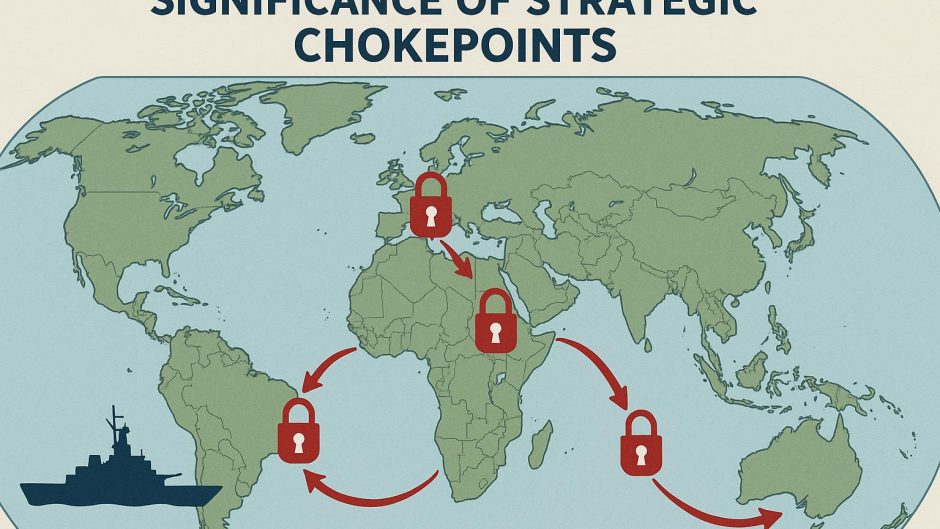
The Importance of Strategic Chokepoints on the Map
Strategic chokepoints are vital geographical locations that have the potential to influence global trade, military strategies, and international relations. These narrow passages often serve as essential transit routes for both commercial and military vessels. Understanding the importance of these chokepoints can provide insights into significant global dynamics.
Geopolitical Relevance
Chokepoints such as the Strait of Hormuz, the Suez Canal, and the Panama Canal play a crucial role in geopolitics. These locations are pivotal points where large volumes of the world’s goods transit. As such, they become focal points for geopolitical tension and economic strategies. Control or disruption of these areas can have cascading effects on global energy supplies and economic stability. Nations often posture politically around these areas, as their influence extends beyond basic logistics. Control over a chokepoint influences negotiations, alliances, and even sanctions, given the significant global reliance on these pathways.
Economic Impact
The Strait of Hormuz is a vital artery for oil transportation. According to various reports, a substantial portion of the world’s petroleum passes through this narrow waterway. Disruptions here can impact oil prices globally. The agility and efficiency of global trade depend heavily on uninterrupted flow through these channels. Similarly, the Suez Canal offers a shortcut for shipping between Europe and Asia, significantly reducing transit times and costs. Any blockage can lead to increased shipping times, escalating costs, and supply chain disruptions, with repercussions echoing through economies worldwide. The increase in freight costs immediately burdens consumer prices, manifesting in different sectors reliant on rapid and cost-effective shipping.
Military Significance
From a military perspective, chokepoints provide strategic advantages and vulnerabilities. During conflicts, controlling a chokepoint enables a nation to regulate or restrict the movement of enemy forces and supplies. Historical contexts provide numerous examples of battles and stand-offs centered on these locations. The ability to project military power effectively from these points can deter aggression and assure allies. As such, these locations often see a concentrated presence of military forces to ensure open passage and readiness to respond to potential threats. Modern military strategies frequently consider key chokepoints when planning supply routes and force deployments. Forces positioned in these locations necessitate rapid response capabilities and a continual state of readiness.
Environmental and Security Concerns
Beyond economic and military relevance, strategic chokepoints also bring forth environmental and security challenges. The high volume of shipping traffic increases the risk of accidents, leading to potential environmental disasters. Oil spills, ship collisions, and related accidents can have long-lasting impacts on marine ecosystems and surrounding coastal economies. Furthermore, the congestion and critical nature of these passages make them attractive targets for piracy and terrorism, necessitating enhanced security measures. Ensuring the safety of these routes involves international cooperation and advanced surveillance technologies to track potential threats in real-time.
Recognizing the multifaceted significance of strategic chokepoints underscores their role as critical junctures in international trade and security. They serve as more than mere geographic constraints or opportunities; they are central to understanding modern geo-economic landscapes. Their impact is deeply ingrained in daily international interactions, transcending their physical confines to affect global markets, political negotiations, and security policies. For more detailed analyses of specific chokepoints, consider exploring UNCTAD or EIA resources that provide comprehensive insights into global trade dynamics.
This article was last updated on: March 1, 2026



Recent Comments