


The Influence of Epoch Transitions on Gameplay Strategy
In various strategy-based games, the concept of epoch transitions plays a critical role in shaping how players approach the game. An epoch transition refers to a change or shift from one era or age to another within a game, often bringing significant advancements, new technologies, and strategic opportunities. Understanding the impact of these transitions can help players to adapt their gameplay strategies effectively.
Defining Epoch Transitions
Epoch transitions are common in games that simulate historical progressions, such as the Age of Empires series or Civilization. These transitions often involve moving from a primitive era to a more advanced one, enabling players to access new units, buildings, technologies, and abilities. The ability to effectively harness these advancements is essential for maintaining a competitive edge.
In practical terms, an epoch transition can alter the complexity of the game by introducing novel elements that players must integrate into their existing strategies. Players are not only required to adapt but to also have a futuristic approach regarding how they plan their actions within the current and successive epochs. These transitions necessitate a reconsideration of priorities as new elements become accessible, and players must explore the integration of these elements to build competitive strategies.
Strategic Implications
The arrival of a new epoch can alter the dynamics of a game significantly. To gain a deeper understanding, let us explore some strategic implications of epoch transitions:
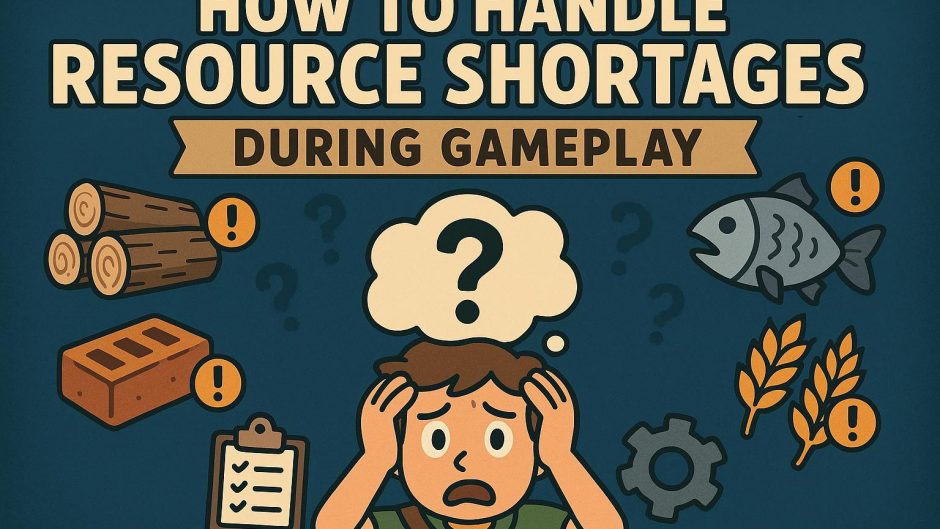
Resource Management: Each epoch transition is typically accompanied by a shift in resource demands. As players move into a new era, they often encounter new unit types and advanced buildings that necessitate different resources. Consequently, players need to recalibrate their resource collection strategies to meet these new requirements. Effective resource management can dictate the pace at which a player can progress and remain competitive within the game.
Technological Advancements: Technological advancement is a cornerstone of epoch transitions that heavily influences gameplay strategies. Gaining access to new technologies creates an opportunity to redefine a player’s approach toward achieving objectives. Whether the strategy involves bolstering offensive capabilities, enhancing defenses or stimulating economic growth, prioritizing the right technology research is integral to success. Players must align their choice of technology with overarching strategies to create synergies that empower them in subsequent gameplay stages.
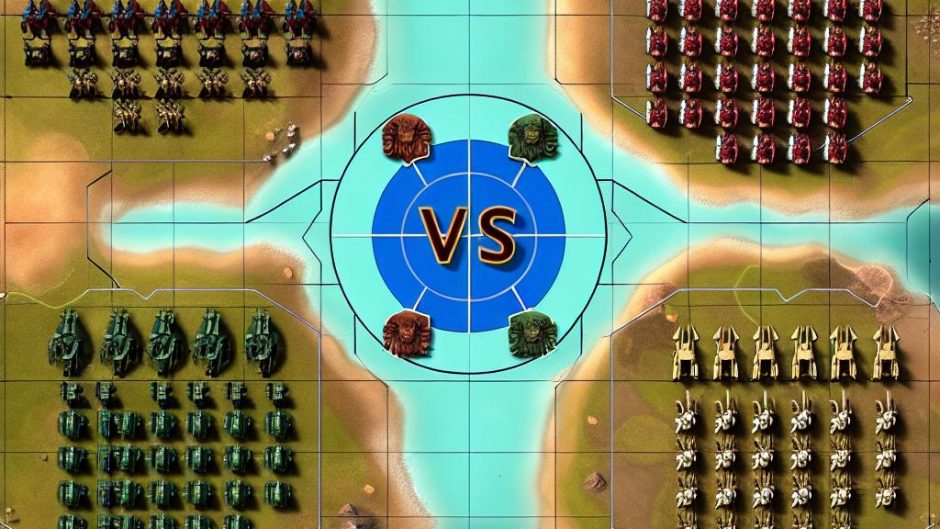
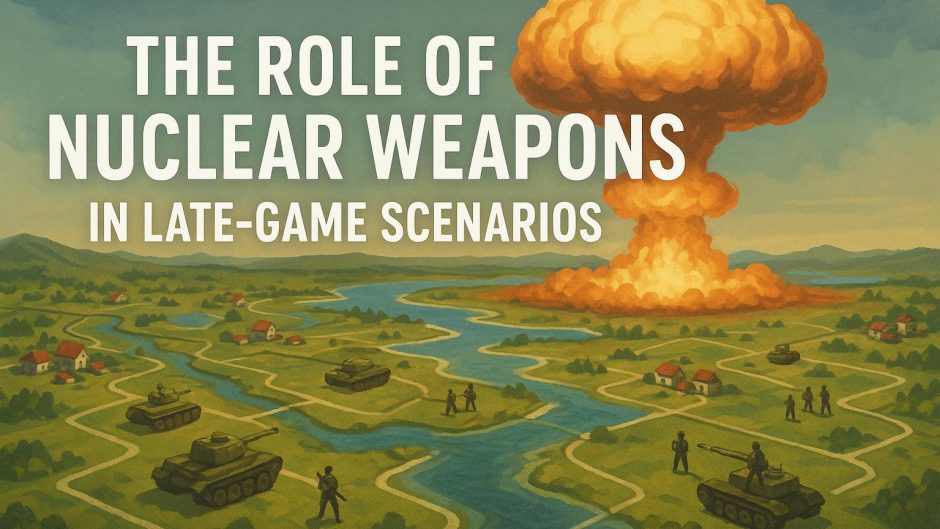
Military Strategy: The advent of a new epoch often heralds the introduction of more sophisticated military units. These new units can significantly shift the balance of power, compelling players to reassess and potentially redesign their military strategies. The strategic decision to either incorporate new military units into the existing composition or develop counters to opponents’ advances can be pivotal. As battlefield dynamics evolve, players are tasked with maintaining robust and flexible military strategies that can respond to new threats.
Economic Expansion: Advancing through epochs typically requires progressive economic strategies. The advent of new epochs calls for the construction of advanced economic structures, the establishment of expansive trade routes and efficient wealth management to support the increased demands of armies and rapid technological progression. A robust economic framework not only supports immediate strategic goals but also provides a foundation for continued superiority over time.
Adapting to Change
In the realm of strategy games, adapting to epoch transitions calls for both foresight and flexibility. Players must anticipate the array of changes ushered in by a new epoch and plan their strategies accordingly. To achieve success, players must find equilibrium between immediate needs and long-term ambitions. For example, while rapidly researching and advancing to a new epoch presents an attractive prospect, doing so without ensuring a stabilized economy and military readiness may prove detrimental.
The ability to adapt is especially critical in games where epoch transitions are sudden or unpredictable. Developing a flexible strategy empowers players to pivot in response to emerging opportunities or threats. A dynamic approach to strategy not only ensures continued competitiveness but also equips players to leverage transitional phases to their advantage.
Furthermore, adaptability can be cultivated through diverse gameplay experiences and consistent evaluation of strategies within the context of new epochs. Players who continuously evolve their understanding of game mechanics and who remain open to experimentation will likely excel in harnessing the full potential of epoch transitions.
Conclusion
Epoch transitions are a pivotal component in many strategy games, impacting the way players manage resources, develop technologies, and conduct military operations. By understanding and anticipating the changes that come with each new epoch, players can craft strategies that leverage new opportunities and mitigate potential risks. These transitions serve as a call to action for players to assess their standing within the game, identify possible advancements and align strategies with the evolving game environment.
For those seeking further insights on strategy games and their mechanics, exploring resources from gaming communities or expert analyses on gaming strategy websites can be invaluable. Engaging with a community of players provides an opportunity to exchange strategies, learn from others’ experiences and enhance one’s understanding of the complex dynamics that influence gameplay strategies across epoch transitions.
Note: The specific game mechanics and the availability of certain features can vary based on the rules and design of different games. Always consider the particularities of the game you are playing when devising strategies around epoch transitions. A nuanced approach that accounts for both game-specific mechanics and general strategic principles will serve players well in navigating the challenges and opportunities presented by epoch transitions.

Recent Comments