

Understanding the “Hotspots” Mechanic in Gaming
In recent years, the inclusion of the “Hotspots” mechanic in video games has become increasingly common. This feature, while simple in design, can significantly alter the way players engage with a game. Understanding its impact is essential for both developers and players.
What Are “Hotspots”?
“Hotspots” are specific areas within a game world that trigger particular events or conditions. They can vary widely, ranging from locations that offer bonus points, items, or unlocking new abilities, to areas that initiate enemy encounters or trigger story elements. By design, they attract players and encourage interaction with the game environment.
One of the primary aspects of “Hotspots” is their ability to dictate the pace of the game. By strategically placing them, developers can guide players through a meticulously crafted journey. For instance, a hidden “Hotspot” might lead to a secret side quest, opening up additional narratives and opportunities to explore backstories within the game. This integration not only adds richness to the plot but also encourages players to interact more deeply with the gaming world.
Furthermore, “Hotspots” have become instrumental in representing a game’s dynamic environment. As players traverse through different areas, hotspots can signify points of interest that might change based on the time of day within the game or as certain player-triggered events unfold. This fluidity adds realism and unpredictability, making the gaming experience more immersive.
Impact on Game Design
Level of Engagement
The strategic placement of “Hotspots” can substantially increase player engagement. By creating incentives for exploration, developers can encourage players to fully engage with the game’s world rather than focusing solely on main questlines. This often leads to a more immersive experience.
Game Balance
“Hotspots” also play a role in maintaining game balance. For instance, providing health or resource-rich hotspots in a challenging part of the game can help moderate difficulty levels, ensuring players do not get overly frustrated. This not only keeps the gameplay smooth but also helps in retaining a player’s interest by offering assistance at critical junctures.
They also serve as a learning mechanic. In scenarios where games introduce new mechanics or features, “Hotspots” can act as safe zones. Here players can familiarize themselves with new abilities or enemies in a less hostile environment, gradually integrating these complexities without overwhelming them. This measured introduction ensures that players experience a steady learning curve, progressively mastering the game without sudden spikes in difficulty.
Examples and Implementation
Several games have successfully implemented “Hotspots” to enhance gameplay. Interactive games often use them to provide dynamic storytelling, while action-adventure games might use them to reward exploration with special items or upgrades.
Furthermore, multiplayer games utilize area-based “Hotspots” to facilitate team objectives. These can create dynamic zones for players to engage in cooperative tasks, fostering teamwork and strategic planning. Securing a “Hotspot” in such gameplay might provide a team with a temporary buff or advantage, incentivizing collective effort and coordination.
The implementation of “Hotspots” requires thoughtful consideration of the game’s design ethos and player behavior. Developers often draw on data analytics to understand how players interact with these zones, iteratively refining the design to maximize engagement and satisfaction.
Potential Limitations
While beneficial, “Hotspots” can also present certain challenges. Overuse may lead to players feeling overwhelmed or even diminish the element of surprise. Developers need to carefully design these elements to ensure they add value without disrupting the game’s flow.
Careful curation of “Hotspots” also concerns their narrative contribution. Poorly integrated points could detract from the storyline, making them feel forced or disconnected from the rest of the game world. This could disturb the immersion, leading players to view these mechanics as filler content rather than meaningful additions.
Conclusion
The “Hotspots” mechanic, when utilized effectively, can greatly enhance a game’s depth and appeal. By encouraging exploration and offering rewards, they keep players actively engaged. It is important for developers to balance their integration into game worlds in a way that enhances, rather than complicates, the player’s experience.
The impact of the “Hotspots” mechanic in the game.
Understanding the “Hotspots” Mechanic
The introduction of the “Hotspots” mechanic in video games represents a significant evolution in player engagement and interaction. This dynamic feature is strategically crafted to enhance the gaming experience by changing the landscape of interaction within the game. Essentially, it provides a platform for players to explore, strategize, and adapt in ways previously uncharted.
Functionality of “Hotspots”
At its core, the “Hotspots” mechanic introduces dynamic zones within the game’s environment. These zones operate as catalysts for specific in-game events or as hubs offering unique and valuable rewards. The different states of these areas are typically influenced by a range of in-game variables such as the time of day, player decisions, or the unfolding of the game’s narrative. Engaging with these zones might allow players to encounter tougher enemies that yield higher rewards, access rare resources, or enjoy temporary enhancements to their character’s abilities.
The adaptability of “Hotspots” ensures that players are met with new challenges and opportunities, no matter how many times they play. By the very nature of their design, these zones ensure that each player’s experience differs, fostering a sense of curiosity and excitement around every corner.
Impact on Gameplay
The strategic implementation of the “Hotspots” mechanic drastically alters the gameplay landscape. Primarily, it serves as a tool that promotes exploration by incentivizing players to stray from the main storyline or commonly traveled paths. When players diverge to explore these dynamic zones, they encounter a wider array of challenges, each with its unique set of circumstances and rewards.
Strategic Depth: One of the more engaging aspects of “Hotspots” is the layer of strategy it adds to the game. Players often face the critical decision of whether to engage with a “Hotspot” immediately or delay until they are better prepared. This decision is paramount, particularly in games centered around resource management or survival. The consequence of venturing into a “Hotspot” unprepared might be significant, influencing the player’s progression or inventory negatively. Thus, engaging with “Hotspots” requires careful planning, resource allocation, and sometimes even a contingency strategy.
Player Engagement
“Hotspots” play a crucial role in sustaining long-term player engagement. In games where patterns and storylines could potentially become predictable, the dynamic nature of “Hotspots” brings a refreshing twist. The novelty introduced by these zones encourages players to continuously revisit the game, seeking out new experiences or revisiting familiar zones for different outcomes based on game progressions or updated dynamics.
Moreover, as players uncover new facets of “Hotspots,” they frequently engage with community platforms to share their discoveries and strategies. This occurrence fosters a sense of community among players, where tips, experiences, and anomalies are exchanged, enriching the gaming experience collectively. The collaborative environment further promotes camaraderie among players, driving a continuous feedback loop that benefits both players and developers through shared insights.
Game Design Considerations
From a design perspective, implementing the “Hotspots” mechanic necessitates a balanced approach to both accessibility and equity, ensuring fair play across diverse gaming styles and skill levels. This requires meticulous calibration to confirm that these zones do not substantially privilege particular strategies or alienate players who might not be adept at certain challenges.
Transitions between standard gameplay and the unique conditions provided by “Hotspots” must be smooth and seamless to maintain immersion. Developers must carefully consider the balance between offering enough reward to engage the player without making other aspects of the game experience obsolete. This involves addressing potential bottlenecks where players might grind specific “Hotspots” excessively, thereby diminishing other game content.
The process of enhancing game dynamics through “Hotspots” also embraces evolving game design methodologies, fostering innovative realms for players to discover. This mechanic isn’t simply a feature; it forms the keystone of a player’s interaction with the virtual world, demanding both active participation and reflective strategizing.
In conclusion, the introduction of “Hotspots” in video games is reshaping the interactive landscape, breathing new life into dynamic gameplay and replayability. This mechanic challenges players with diverse experiences, expands the potential for strategic immersion, and stimulates engagement in unparalleled ways. As game developers continue to iterate and refine this mechanic, its potential impact increases, promising players further enriched, compelling, and interactive worlds. This shift not only appeals to veteran gamers but also welcomes newcomers eager to experience the novel thrill that “Hotspots” deliver. The evolution of this mechanic promises an exciting frontier for developers and gamers alike.
The impact of the “Hotspots” mechanic in the game.
The Introduction of the “Hotspots” Mechanic
The “Hotspots” mechanic has brought a significant shift in gameplay dynamics, adding an intriguing element to various video games. By offering unique opportunities in specified regions, “Hotspots” encourage players to explore and engage differently, thus enhancing the overall gaming experience.
Understanding “Hotspots”
“Hotspots” are designated areas within a game where special activities or events occur, providing players with rewards or challenges that are not available elsewhere. These areas are often temporary, strategically placed, and incentivize players to alter their gameplay strategies. While the inclusion of “Hotspots” is not new, their implementation has grown more refined and impactful in recent gaming titles.
Enhancing Engagement and Exploration
One of the most substantial impacts of “Hotspots” is their role in promoting increased player engagement. By encouraging exploration of the game world, players are driven to frequently visit these areas, breaking the monotony of repetitive tasks. This can result in discovering elements of the game that may have otherwise been overlooked, leading to a more enriched player experience.
As players venture into these designated regions, they are often met with diverse environments and scenarios that challenge their adaptability and creativity. The need to develop new strategies to tackle the ever-changing conditions of “Hotspots” means that players are continually learning and adjusting their approaches. This aspect not only maintains an engaging experience but also contributes to the longevity of a game, as players remain invested for extended periods.
Moreover, these areas might also present unique narratives or lore that provide additional context and depth to the game world. This added layer of storytelling makes “Hotspots” a tool for narrative exploration, offering players a deeper understanding of the game’s universe and characters.
Dynamic Challenges and Rewards
The introduction of “Hotspots” often brings about dynamic challenges that test a player’s skills and strategies. These challenges can vary significantly, from combat trials to solving intricate puzzles. Moreover, completing tasks within “Hotspots” frequently yields valuable rewards such as rare items, experience boosts, or in-game currency. This reward system not only offers incentives but also increases the replay value of the game, as players are drawn back to these “Hotspots” to maximize their benefits.
The dynamic nature of these challenges requires players to refine their skills and harness their abilities in innovative ways. As opposed to being mere static elements, “Hotspots” push players to engage with the game’s mechanics in novel ways, which in turn enhances their competency and enjoyment.
The reward system is intricately tied to the challenges offered by “Hotspots.” By providing rare items or bonuses that are exclusive to these areas, games ensure that players have a reason to repeatedly seek out and engage with the “Hotspots.” As players accrue these rewards, they can unlock new capabilities or items, which further enhance their gameplay experience. This progression loop is central to maintaining player interest and motivation over time.
Influence on In-Game Economy and Social Interactions
“Hotspots” can have far-reaching effects on a game’s economy and social interactions. By generating rare items and resources, they influence market dynamics within the game, affecting pricing and trading strategies among players. Additionally, “Hotspots” often foster social interaction and cooperation, as players may form groups to tackle particularly challenging tasks, enhancing the communal aspect of gaming.
The introduction of rare items through “Hotspots” can lead to fluctuations in the game’s economy. The availability of certain items can cause shifts in their perceived value, influencing player-driven markets. Players who have access to these exclusive items can trade or sell them at a premium, introducing an element of economic strategy into the gaming experience.
Moreover, the cooperative challenges that often accompany “Hotspots” require players to communicate and work together. This cooperation can lead to the formation of teams or guilds dedicated to maximizing the opportunities presented by these areas. As such, “Hotspots” serve as catalyzers for social interaction, encouraging players to form connections and collaborate.
The communal experience fostered by “Hotspots” can lead to the development of vibrant player communities. As players work together to conquer challenges or share strategies for navigating these areas, a sense of camaraderie and shared purpose emerges. This social dimension of gaming is increasingly important in modern titles, where player experience is often enriched by community interactions.
In conclusion, the introduction of the “Hotspots” mechanic has revolutionized traditional gameplay elements by encouraging exploration, offering dynamic challenges, and fostering social interactions. As game developers continue to refine and expand these systems, “Hotspots” are likely to remain a pivotal feature in the evolution of gaming.
Through careful implementation and thoughtful integration into a game’s narrative and mechanical framework, “Hotspots” can add substantial value to the player experience. By continuing to innovate in this space, game developers can ensure that their titles stand out in an increasingly competitive market. As a result, “Hotspots” not only benefit players but also contribute to the success and longevity of a game.
How to deal with natural disasters in your territories.
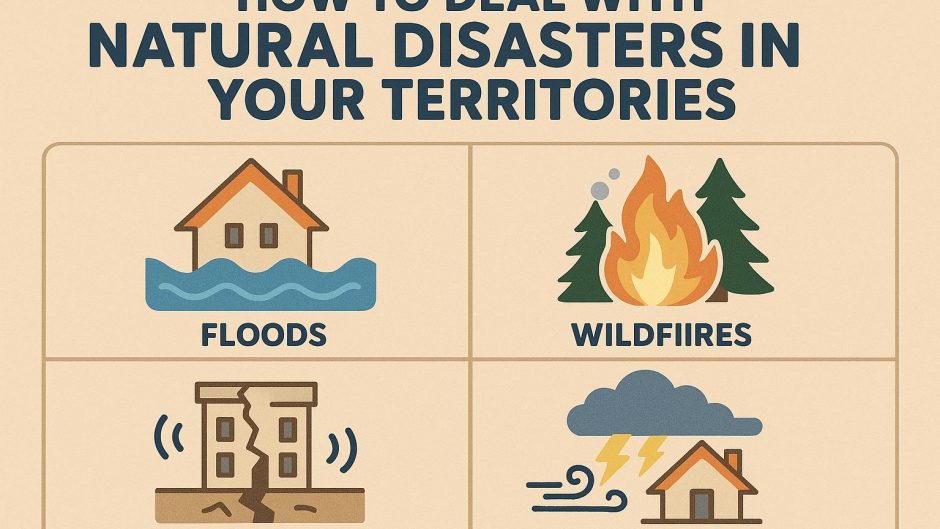
Understanding Natural Disasters
Natural disasters are severe and often sudden events brought about by environmental factors, which can cause considerable damage to human life, infrastructure, and ecosystems. Being aware of the different types of natural disasters, such as earthquakes, floods, hurricanes, and wildfires, is essential in devising effective strategies for preparedness and response.
Identifying Vulnerabilities
Each region is characterized by unique vulnerabilities owing to its geographical location, climate, and existing infrastructure conditions. Understanding these vulnerabilities requires a detailed assessment to improve readiness for possible disasters. It involves analyzing historical data on past disasters and reviewing scientific studies pertinent to the specific risks of a particular area. Organizations like the United Nations Office for Disaster Risk Reduction offer invaluable resources to understand and mitigate disaster risks.
Developing a Disaster Preparedness Plan
Crafting a comprehensive disaster preparedness plan is vital in minimizing the adverse effects of natural disasters. The plan should encompass several components crucial for managing risks effectively:
Risk Assessment:
Start by identifying the types of disasters most likely to impact your region. Prioritizing these risks based on their potential impact is essential for efficient resource allocation.
Emergency Procedures:
Establish well-defined procedures for evacuation, communication, and coordinating with emergency services. Clear guidelines ensure a swift and organized response in the face of impending disaster.
Resource Management:
Delineate and secure essential resources necessary for survival and safety, including food, water, medical supplies, and shelter options. Proper resource management is pivotal during times of crisis.
Community Involvement:
Engage local communities in disaster preparedness and ensure public awareness and readiness. Community-driven efforts foster a sense of shared responsibility and enhance resilience.
Investing in Infrastructure and Technology
The development of resilient infrastructure and the adoption of advanced technologies can greatly mitigate the damage natural disasters can inflict. New constructions must incorporate disaster-resistant designs, while upgrades to existing structures are necessary to withstand potential threats. Furthermore, the use of technology such as early warning systems plays a crucial role. These systems offer valuable lead time to implement emergency measures and facilitate orderly evacuations, reducing risk to human life.
Collaboration with Government and Non-Governmental Organizations
Managing disasters effectively demands a coordinated effort between government entities and non-governmental organizations (NGOs). Establishing partnerships with agencies like the United States Agency for International Development (USAID) or the International Federation of Red Cross and Red Crescent Societies (IFRC) can enhance resource availability, provide expertise, and deliver support during emergencies. Collaboration leads to a pooling of strengths, improving overall effectiveness in responding to disasters.
Post-Disaster Recovery and Mitigation
The phase following a natural disaster plays a pivotal role in rebuilding communities and preventing future vulnerabilities. There are critical areas to focus on during this recovery period:
Assessment:
Conduct comprehensive evaluations of the damage incurred to accurately determine priorities for reconstruction efforts. This assessment allows for appropriately allocating resources to where they are most needed.
Rehabilitation:
Repairing and rebuilding infrastructure is crucial. It is equally important to enhance resilience through improvements and ensure that structures are better equipped against future disasters.
Psychosocial Support:
Providing mental health support to those affected by the disaster is a key component of overall recovery. Addressing psychological impacts fosters resilience and facilitates faster recovery for individuals and communities.
By understanding natural disasters, developing solid preparedness plans, and fostering collaborative efforts among various stakeholders, regions can substantially lessen the impact of these events. The proactive approach not only safeguards lives and infrastructure but also enables faster recovery and adaptation, ensuring communities are better equipped for future challenges.
Recent Comments